The assumptions that carried the case were tested after close
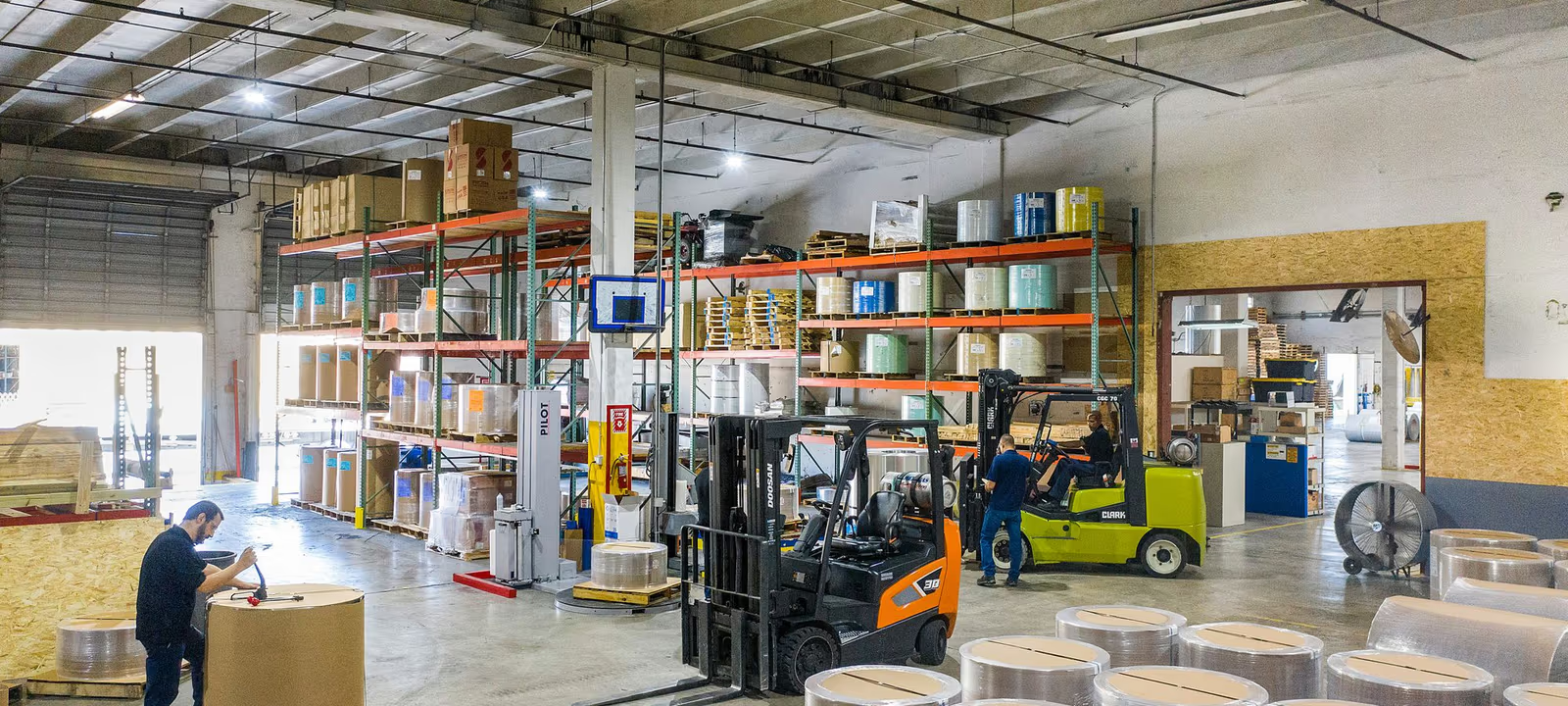
A commercial diligence practice inside a consulting firm had built the investment case for an industrial acquisition, a business that runs manufacturing plants. It knew exactly which operational assumptions the case depended on. What it had no way to do was stay involved while those assumptions were tested in the business. The hardest work started the week the diligence team left.
Answering the questions that follow a close needs the same kind of people diligence used, available over months rather than for a single call. Somebody engaged one question at a time rebuilds the context every time: what the plan says, what the plant is actually like, what was tried last quarter. Somebody who stays carries it.
We placed former operators alongside the practice for months
We assembled a small group of former plant managers, operations directors and integration leads, people who have run this kind of asset and taken one through a change of ownership. The engagement was structured as continuous availability rather than a series of scheduled calls.
We looked for operators with experience of comparable assets rather than breadth across the sector, because depth on this problem was worth more than range. The same people stayed throughout, so context built up instead of being rebuilt each time: they knew the asset, the plan and what had already been tried. Every expert cleared our compliance framework, and the conversations were written into Nextyn IQ so the client team could search the reasoning rather than rely on memory.
The practice can now stay past the close
The practice could offer something it had not been able to offer before, and it did so without hiring operators it could not keep busy between deals. That changed its commercial position as much as its delivery, because being able to continue past close is a different proposition from handing over.
The operators also fed back into the diligence work. Having watched a plan meet an actual plant, the practice scoped its next post merger integration differently, putting more weight on the assumptions that had proved hardest to hold.